
Key Vitamins and Minerals & How to Find Them
by Beth Biggee, MD
“Good nutrition creates health in all areas of our existence. All parts are interconnected.”
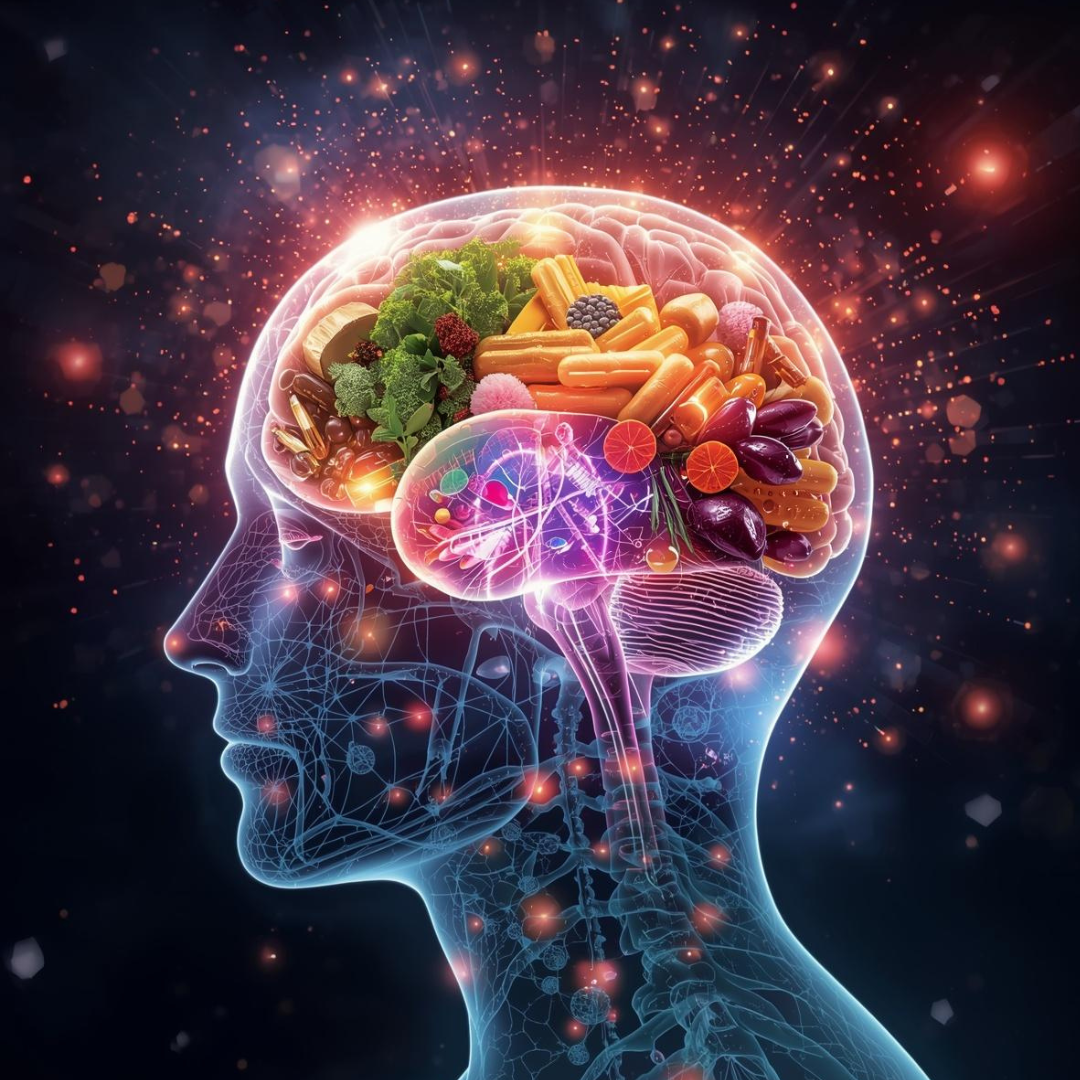
What are the top vitamins and minerals needed to keep the immune system healthy, free our bodies and minds from inflammation and pain, and keep the musculoskeletal system happy?
Vitamin D is a fat-soluble vitamin that is critical in bone, nerve, muscle, and cardiovascular health. It also has an immunomodulatory effect. In rheumatoid arthritis patients studies show that increasing vitamin D may improve pain and disease activity. A metaanalysis study also revealed that increasing vitamin D levels helped lower lupus disease activity scores. Low levels of vitamin D are associated not only with immune disorders but with osteoporosis, mood disorders, pain syndromes, and muscle weakness. Vitamin D assists calcium absorption from the gut, but we also need a little Vitamin K to help direct calcium into bones rather than into soft tissues or arteries. Vitamin K2, menaquinone-7 works best in this regard. High sources of Vitamin K2, menaquinone-7 are found in natto, fermented soybeans, egg yolk, or fermented milk like kefir.
A great source of Vitamin D is the sunlight. We make Vitamin D in our skin cells which is further processed in the liver and kidney. For those of us that live in the northern latitude during the winter we may not get enough sunlight on our skin to make sufficient Vitamin D. Your health care professional can check blood levels to see if a supplement is needed. Vitamin D levels can fluctuate during the seasons (sun exposure) and be affected by certain medications such as proton pump inhibitors (stomach acid blocking medications). Dietary sources of Vitamin D include cod liver oil, fatty fish but careful to consume low mercury fish, dairy, plant-based milks, and mushrooms. Vitamin D supplements are best absorbed with food with a little fat. Vit D can cause harm if taking high toxic levels.
Methylated B vitamins. B12 is a water soluble vitamin essential for healthy nerves, cell function, and maintaining red blood cell health. Methylated forms are absorbed better and cross the blood brain barrier easier. Most food sources of B12 are animal proteins like egg yolk, dairy, meat, fish, but it can be found in shitake mushrooms and dried seaweed. Strict vegetarians and vegans may need a supplement. Some people taking medications chronically like metformin and proton pump inhibitors like protonix may also need a supplement. It is best to check with your healthcare team as levels can be measured in the blood.
A methylated form of another B vitamin, folic acid, may be needed in those that have a genetic defect for the methotetrahydrofolate reductase gene, or for those with mood disorders. Folic acid is needed for optimal cellular health particularly brain and red blood cell health. A deficiency can develop when taking chronic medications like methotrexate or NSAIDs. Good food sources include leafy green vegetables and beans. The L-methyl folate form is best as it crosses the blood brain barrier easier and may help in fighting mood disorders. When taking a MVI, look for methylated B12 and L-methyl folic acid.
Calcium is the most abundant mineral in the human body. It is critical to bone health but also needed for nerves, muscles, immune, and endocrine systems. Calcium is best consumed from the diet as excess calcium intake may be associated with some abnormal calcification in tissues and heart disease. Most adults need between 1000-1200mg a day and you can check how much you are consuming using this calculator. Foods high in calcium include leafy greens, beans, soy, dairy, cruciferous veggies. Some foods are high in both calcium and oxalate like spinach or sweet potatoes so be cautious when consuming too much of calcium oxalate foods especially if you have a history of calcium oxalate kidney stones. Some individuals may need a calcium supplement but this is best reviewed with your health care provider. Some forms of supplements like calcium carbonate need to be taken with food but others like calcium citrate is more bioavailable.
Magnesium is essential for muscles, nerves, and the cardiovascular system to function at peak performance. It is also needed for bone health and immune health. Magnesium regulates inflammation and oxidative stress. Chronic mild magnesium deficiency is common especially in those with GI disorders, diabetes, advanced age, and osteoporosis. Making sure to have a well balanced diet is key to sufficient magnesium intake but some patients need supplementation. Excess magnesium can be harmful so this is best regulated and advised through your health care team. Many different supplement forms are available but some can cause diarrhea. This may be desirable for those suffering constipation but should be avoided for others. Magnesium glycinate is well absorbed and easy on the digestive system. Food sources include pumpkin seeds, chia seeds, spinach, oatmeal, black beans.
Antioxidants. Many patients with inflammatory or autoimmune disorders have increased oxidative stress. Oxidative stress damages cells from released free radicals and reactive oxygen products. A balanced healthy Mediterranean diet with a plate full of rainbow colored fruits and veggies can help. Foods packed with anti-oxidants include sunflower seeds, pumpkins seeds, almonds, spinach, and avocados. A good full spectrum multivitamin may also help provide the antioxidants we need such as Vitamin A, Vitamin E, Vitamin C, selenium, zinc, and copper. Selenium is also helpful for optimal thyroid function and immune health. A good source is brazil nuts but taking too much selenium can cause toxicity or alter thyroid function if you are taking thyroid medications. Too much zinc without small amounts of copper can also be deleterious. Some vitamins can be harmful in high doses such as too much Vitamin E or A. Always review supplements with your health care provider and try to get antioxidants through the diet first.
A lunch that would be a good source of all these vitamins and minerals would be spinach salad with oysters, one sliced small egg, shitake mushrooms, pumpkin and sunflower seeds.
For more information about Lifestyle and Integrative Rheumatology read more on the website. Contact Us.
Be Well,
Beth Biggee, MD ABIM, ABOIM, DipABLM